This is a check-in on entrepreneur emotional wellbeing for founders who are “fine”… except not really…
Something is off, but you can’t quite name it. The business is running well. You’re showing up.
On the outside, everything looks fine.
But you’re worn out and tired, and it’s not necessarily about missing sleep or overwork.
You’re just not as excited as you used to be. You’re going through the motions and asking yourself: “Is this just how it is now?”
Your inner world is sending you signals, and you haven’t had a framework for reading them.
That’s what this is.
Entrepreneur Emotional Wellbeing: Why Founders Need a Different Kind of Dashboard
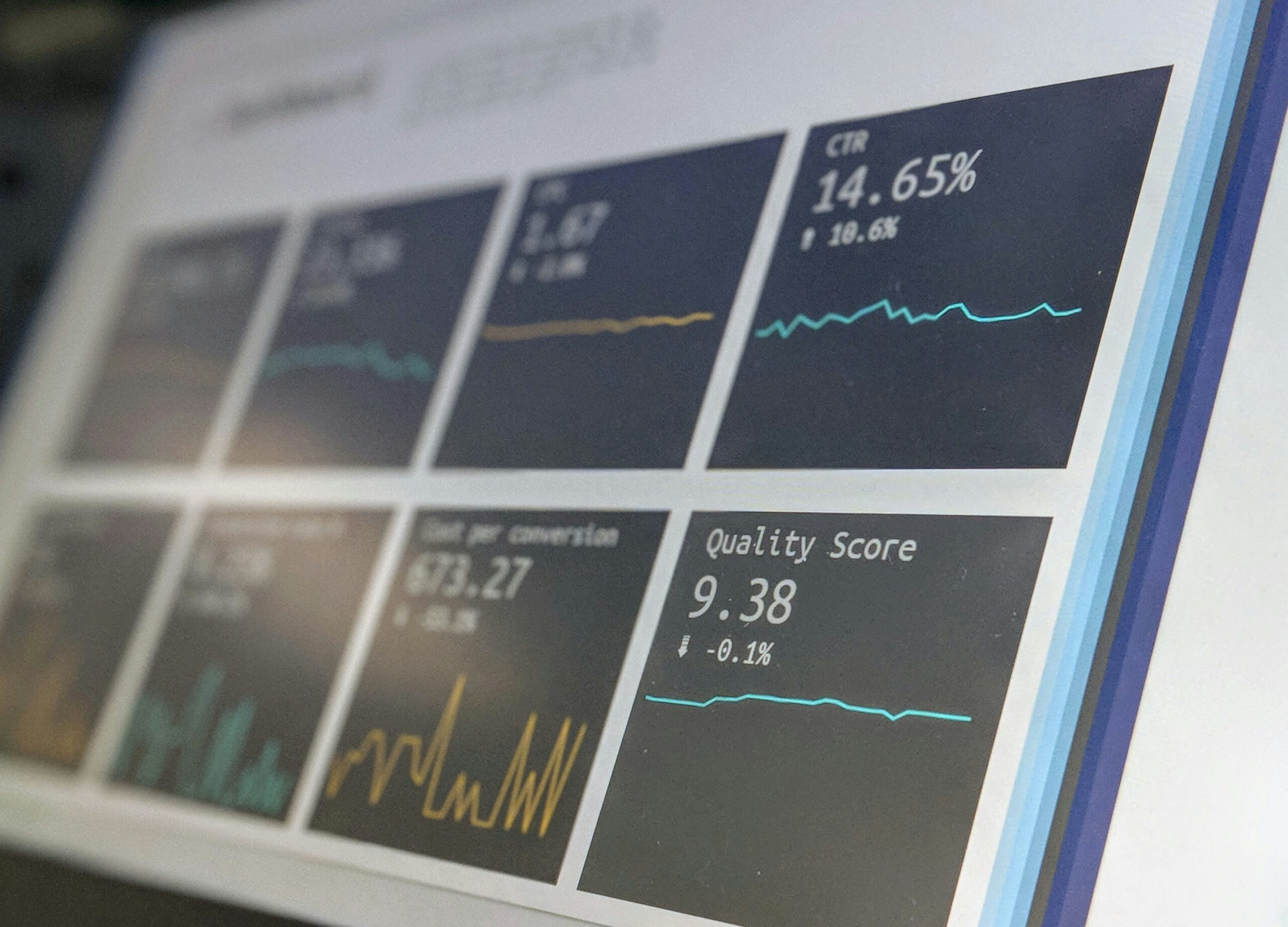
Businesses run on data. You track data on revenue, conversion rates, and client retention because you know attention matters. You can’t tend to what you haven’t noticed. But most founders never apply that same intelligence to themselves. The Entrepreneur Mental Health and Business Plan provides you with a comprehensive process for this, but here’s an outline you can use to get started.
Key performance indicators (KPIs) are quantifiable metrics used to assess how effectively an organization is achieving key business objectives.
They’re just as useful for evaluating entrepreneur emotional wellbeing as they are for tracking revenue.
Your emotional wellbeing as an entrepreneur has indicators. Lead indicators are the conditions and actions that shape how you feel. Lag indicators are the signals that tell you how you’re actually doing right now. Learning to read both puts you back in the driver’s seat.
Here’s an example scenario to illustrate the concept. A salesperson knows that in order to make five sales, she needs to make 100 phone calls. Five sales is the result or outcome of those 100 calls. It’s the lag indicator. (We could also consider the revenue generated for the business as well as the commission generated from the sale as lag indicators, depending on whether you’re considering the perspective of the salesperson or the business.) The number of calls made is the lead indicator. It’s the action (make 100 phone calls) that leads to the five sales.
The same logic applies to your mental and emotional wellbeing.
And why, as an entrepreneur, should you care about your mental and emotional well being? Here’s what I know after years of working as The Entrepreneur’s Therapist™ supporting entrepreneur emotional wellbeing and from running my own businesses: mental health challenges are inherent in entrepreneurship. [The data backs this up.]
KPIs for Entrepreneur Mental Health: Lead and Lag Indicators Explained
Lead Indicators: The Conditions and Actions That Shape Entrepreneur Emotional Wellbeing
Lead indicators look forward; they are measurable actions that lead to outcomes.
In the case of entrepreneur mental health and emotional well-being, lead indicators include the self-care tactics you identify as a function of the three principles of stress resilience for self and communal care.
These self-care tactics–positive behaviours and activities that support resourcing and resilience–are usually in your control. In this category of lead indicators are also behaviours and activities that you know will have negative consequences, but you do anyway.
Lead indicators also involve the conditions you experience, such as the seven factors of risk to entrepreneur mental health. These risks are out of your control. They include what’s happening in your life and in the world.
Lag Indicators: How to Read the Mental Health Signals Your Mind and Body Are Sending
Lag indicators signal your current state, which is the result of what has been happening in the world, your life and your business as well as your self and communal care.
Lag indicators include symptoms that stressors are affecting you (yellow and red flags, depending on their intensity), and signs that you are doing well (green flags) are unique to every person.
You can use lag indicators to assess your emotional wellbeing as an entrepreneur and make a plan to support and resource yourself.
This post focuses on how to read your indicators and what to do with them. If you want to understand the full framework — including the seven risk factors and three principles of stress resilience — start here.
Here’s how to know what your lag indicators mean.
Entrepreneur Burnout Signs: What Your Green, Yellow and Red Flags Are Telling You
Lag indicators (especially yellow and red flags) are often what prompt people to start thinking about their mental and emotional well being… especially entrepreneurs, founders, business owners and self-employed folks. It’s only when they find themselves in a field of red flags that they are forced to pay attention.
You might think that a field of red flags is a bad thing. Entrepreneurs are often breaking down or burning out at this point.
I invite you to consider that when you break down it’s actually a good thing because it’s data. Breaking down can be considered as a check-engine light. It signals that you should check under the hood.
To be proactive, we have to know not only when we’re doing poorly but when we’re doing well (and what led to those outcomes, in other words, your lead indicators). Green flags will never take you over like red flags will but they are equally important.
With green flags we need to make a special effort to notice that they are present. We also need to track the conditions under which they appear.
We can track our green, yellow and red flags, and evaluate their fluctuation along a spectrum. Green flags mean that your lead indicators are having an impact in the way that you want them to. Yellow means it’s time to review the lead indicators. Red means it’s time for more extensive intervention.
Well-being occurs on a spectrum. The point of reference is your own well-being, not some external or abstract standard. As you’re thinking about your lag indicators, you can consider them along a spectrum.
Especially with neurodiversity, chronic illness or an underlying mental health condition, for example (all of which are part of my own experience), it’s a question of how well it’s managed, not complete absence of symptoms. The question becomes, “Along a spectrum, how much ease am I experiencing today compared to other days?”
The answers to these questions below will help you identify your unique lag indicators.
When you break down or are stressed (identifying red and yellow flags) how do you know that you’re stressed?
- What’s happening around you?
- What are you doing or not doing?
- What feedback are you getting from your team, your co-founder if applicable, your friends and family?
When you’re feeling good:
- What’s happening around you?
- What are you doing or not doing?
- What feedback are you getting from your team, your co-founder if applicable, your friends and family?
Just being aware of and tracking your green, yellow and red flags is already a significant step forward in attending to your mental and emotional well being as a founder, entrepreneur or business owner. Here’s how to do that.
A Simple Mental Health Check-In for Entrepreneurs: Four Questions Worth Asking Regularly

There are many simple ways to access mental health support as a business owner. Most of them don’t require a major time investment or a complete overhaul of how you work. Inspired by these examples, I invite you to imagine the possibilities for doing it your way.
Reflection time and/or journaling is the simplest mental health check-in for entrepreneurs. You can start with just five minutes and the four questions below as prompts, even if you don’t yet know what your red, yellow and green flags are.
- How am I feeling right now?
- What am I doing to care for myself?
- Is it having the impact I want or not?
- What, if anything, do I need to do about that?
Bringing mental health conversations to meetings with your biz bestie, coach, mastermind group (and, as appropriate, in other conversational settings like networking) is another example of a strategy for checking in with yourself. The questions above could become a part of the conversations you’re already having. You can invite others to check in in a similar way.
If you have a business bestie and you have regular accountability meetings, put an entrepreneur emotional wellbeing check-in on the agenda as part of the conversation
If it feels too vulnerable or out of place in the context, please keep in mind that any kind of transparency, any mention or discussion involving personal experience of stigmatized issues such as mental health in a business setting can have a powerful impact.
When people see others with whom they identify as peers or whom they see as leaders, speaking about their experience it normalizes and destigmatizes their own challenges and struggles. It validates their reality and as we all know, there is nothing so beneficial and soothing to distress as knowing others feel as you do, and that what you’re going through is “normal” under the circumstances.
Furthermore, the more people who speak openly about their experience with mental health challenges and care strategies, the more change in attitudes becomes possible within the culture of the entrepreneurial ecosystem. When the culture changes, then systems and structures change and that ultimately will lead to better conditions for everyone. It all starts with you deciding that your own wellbeing is worth tracking.
You Don’t Have to Figure This Out Alone
Understanding what’s affecting your emotional wellbeing as an entrepreneur can be empowering. Instead of being tossed around by circumstances and your reactions to them, becoming familiar with your green, yellow and red flags and recognizing them in the wild puts you back in control.
Learning what external conditions and personal actions (or lack of action) affect you, and how, gives you data you can work with to determine what is affecting you and what you can do to have a beneficial impact on your mental and emotional well being.
Just knowing your green, yellow and red flags and tracking them is already a significant act of self-leadership. Most entrepreneurs never get this far.
If you’ve read this and it resonated, I invite you to trust that. Your nervous system has been trying to tell you something.
You don’t have to figure out the rest alone.
I work with women business owners who are carrying more than one person was ever meant to hold on their own, without support. If that’s you, I’d love to talk.
Book your free call here. No pitch, no pressure. Just a conversation about where you are and what might help.