
Hi there.
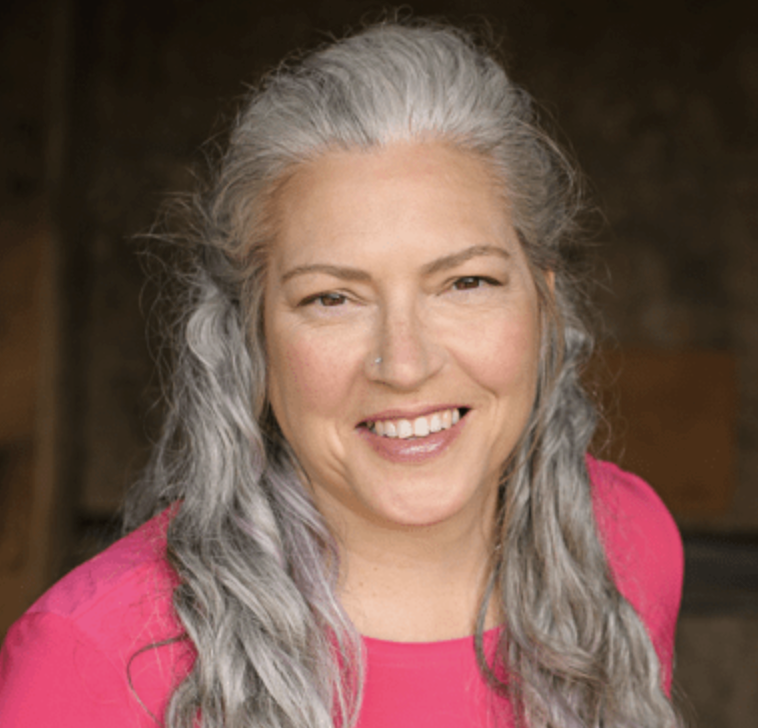
I'm Shulamit Ber Levtov.
I offer somatic parts work therapy so you can recover from stress and anxiety and reclaim your life.

Does this sound familiar?
- You’re experiencing overwhelming stress and anxiety.
- Constant worries and a racing mind are getting the best of you.
- You had it together but now you’ve hit a rough patch.
- Your nerves are fried and you don’t know what to do.
You know things need to change.
You want relief from any number of symptoms, including:
- insomnia
- constant worrying
- racing mind
- feeling tense all the time
- having a short fuse
- constant criticism in your head
- confusion, difficulty concentrating or getting things done
- overwhelming emotions
It’s time for you to address these issues and enjoy your life again.
Somatic parts work therapy for stress and anxiety can help.


Hi there! I’m Shulamit Ber Levtov,
MA, RSW, CCTP, CFSW
You can call me Shula for short. My pronouns are she/her.
- I understand how anxiety and stress affect you and your life.
- I know why stress symptoms seem to stick around forever.
- I know how to work with your anxiety and other symptoms, so you can feel good, relax and respond effectively when the crap hits the fan.
- I have the compassion that comes from knowing what it’s like to live through stress of all kinds and recover from it.
In my 24+ years working as a professional in the field of mental health and personal growth, I have logged thousands of hours helping hundreds of women recover from the effects of stress–both extreme and everyday.
I have applied somatic parts work in my own life since 2006 as part of my recovery from stress and trauma, and it is a central part of my self care to this day. I was certified as a somatic parts work professional in 2009 and received my Masters in Counselling and Spirituality on 2012. I’m also a Registered Social Worker.
I get what you’re going through and I’m trained to support you.
As a therapist, I’m liberatory (anti-capitalist, anti-oppression), intersectional and feminist. I believe that in order to be well, our wounds do not have to be healed (although healing is possible). We need skills to be able to be with our woundedness. My life experiences have led me to see the systemic violence in the world, so I support clients in addressing the systemic harms they experience.
But I haven’t always been a therapist. I’m a trauma survivor who has, earlier in my life, lived in a shelter for women and children fleeing violence, and experienced poverty. I’ve also worked in radio and TV, co-owned a Steadicam, and been a professional translator.
In my free time, I love to knit and listen to feminist science fiction or contemporary romance novels–especially books written by or about 2SLGBTQ++ folks and folks of the global majority. I am always game for good book recommendations and to nerd out on knitting and fancy yarns.
Frequently Asked Questions
Are you accepting new clients for therapy?
Yes! I have a boutique practice and accept 1-2 new clients each month.
Do you offer online therapy sessions?
I support women to care for stress and anxiety in person here at home in my local community of Merrickville, Ontario, and remotely within Ontario and Canada. Remote appointments are held by video using a secure telehealth platform, or by phone.
What time zone are your therapy sessions in?
I am in the Eastern time zone. My office hours are from 10:30 am – 5:00 pm Eastern time on Tuesdays and 12:30pm to 5:00pm Eastern on Wednesdays.
Can insurance cover therapy?
For residents in the province of Ontario, Canada, I am a registered social worker and I can provide receipts for submission to your insurance company for reimbursement. Please verify the details of your extended health care benefits to ensure that social work services are included in your coverage.
I am also a Canadian Certified Counsellor, so I can work with Canadians in other provinces but it’s unlikely that will qualify for insurance coverage.
Is therapy with you confidential?
Yes. Everything you share is confidential. Even the fact that we are working together is confidential. That’s actually a huge benefit of therapy: you can say the unsayable and there won’t be any ripples out into the world unless you decide that’s needed. There are a few legal and ethical exceptions related mostly to safety that I’ll review with you in our first session.
How quickly can I start therapy with you?
Usually I am available for free calls on a weekly basis. You are welcome to book your first session at the time of the free call if that feels right (but there’s never any pressure) and most often can have our first appointment within a week.
Do I need a doctor’s referral for therapy?
No. All you need to work with me is to book a free call. If you are using your insurance to cover my fees (available only to residents of the province of Ontario, Canada), the insurance company may need a referral letter.
What is the time commitment for therapy with you?
Research indicates that half of clients report they have made some progress within 15-20 sessions, and many factors can affect the frequency and duration of therapy.
At the end of each session, you will have an opportunity to decide on your progress and your needs. You determine when the work is complete.
Generally, unless there is a time-sensitive and emergent situation, clients book bi-weekly sessions.
What are your therapy fees?
My current fee range for individual sessions is $250-$350 (USD or CAD depending on the currency in which you earn your living). Learn more about my fee range here.
What’s your cancellation policy?
I ask for a minimum of 48 hours’ notice if you need to cancel or reschedule. That way, I can offer the spot to someone else who may be waiting.
What happens in the first therapy session?
The first session is a chance to slow down. We’ll talk about what’s been going on, what you’d like support with, and what you hope to get out of therapy. At the end, I’ll offer some first steps you can implement outside of sessions, if that’s what would be helpful. The relationship is the foundation for all progress in therapy, so that’s where we will start: getting to know one another and building trust by creating a space that feels safe and useful for you.
Will you give me tools and practices or is therapy mostly just talking?
Both. Talking things through can be powerful. I offer tools for nervous system regulation, parts work, and practical approaches you can use in daily life, as well as in-the-moment, inner-process-oriented support so you can root, reveal, reshape and rise into a version of success that supports you emotionally, mentally, and practically.
What therapy approaches do you use?
My work integrates somatic parts work, nervous system awareness, trauma-informed care, and decades of experience as both a therapist and entrepreneur. Everything I use has been demonstrated to help you feel steadier, kinder with yourself, and clearer in your life.
How do you support women dealing with stress and burnout?
We’ll work with your nervous system, your patterns that lead to stress and anxiety, and the emotional load of your life and work. Together, we’ll create new ways of responding that let you rest, reset, and live sustainably without losing your edge or your sense of purpose.
What if I’ve tried therapy before and it didn’t help?
That’s not uncommon. Finding the right fit matters. If we discover we’re not the right fit, I’ll support you in finding someone who is. Therapy is too important to settle for less.
What if I start therapy and realize it’s not the right fit?
That’s okay. You’re not locked in. You can stop at any time, and I’ll respect your decision. My hope is always that therapy feels like a resource, not another obligation.